Aphasia Therapy Supporting Real-Life Communication, Connection and Community
Aphasia Connect Adult Speech Pathology is a community-focused practice welcoming adults living with aphasia after stroke.

Building Communication. Strengthening Connection. Creating Community.
A dedicated therapy service and community space for people living with aphasia after stroke.
Central to our work is understanding each person’s unique communication strengths, challenges, and priorities in the context of living with aphasia.
Guided by this insight, we deliver evidence-based, personalised therapy that supports communication, connection, and community.
Aphasia.
Pronounced: uh-fay-zjah or ay-fayz-ee-uh
Aphasia is a loss of access to language that affects a person’s ability to communicate.
Aphasia can make it hard to:
say what you want to say
understand what people say to you
read, write and spell
text or type
use numbers
use gestures.
Importantly, aphasia does not affect intelligence.
Evidence-Based Aphasia Therapy Services: Accessible and Inclusive
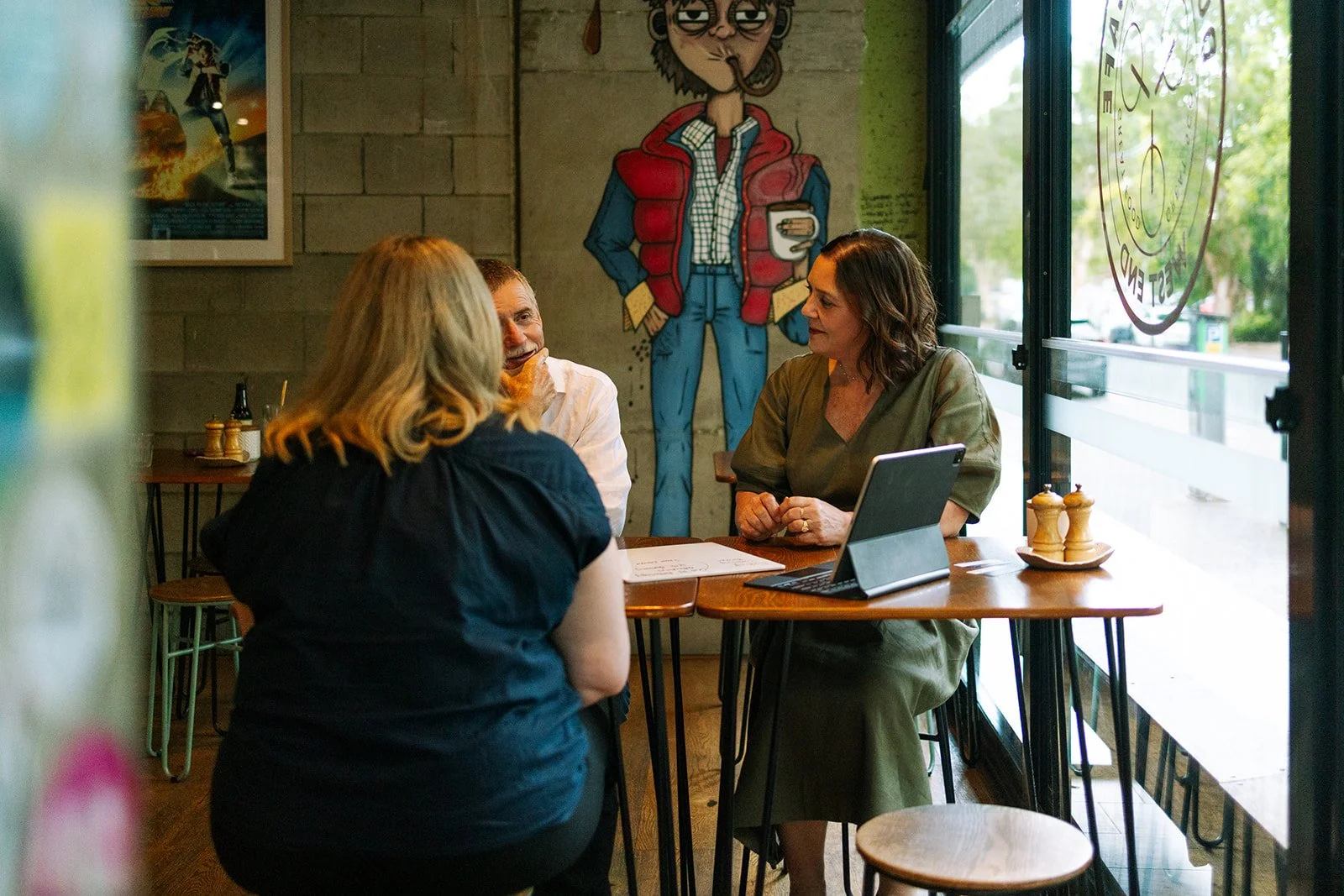
We recognise that daily communication experiences are unique to each individual. Engaging in therapy within real-life environments—reflecting the “here and now” of everyday communication—supports meaningful practice and maximises opportunities for success.
Our services include:
Home-based aphasia therapy
Community-based aphasia therapy
Telehealth aphasia therapy
Community-based groups and activities
We provide mobile aphasia therapy services across the Brisbane, Ipswich and Logan Regions (up to 100km from the central office in Chapel Hill, Brisbane).
Accessible and Comprehensive Care Options
Our NDIS speech pathologist works closely with NDIS participants to support and advocate for their communication needs and goals. Aphasia Connect supports both self managed and plan managed participants. We also welcome clients accessing Medicare and Private Health funding.