
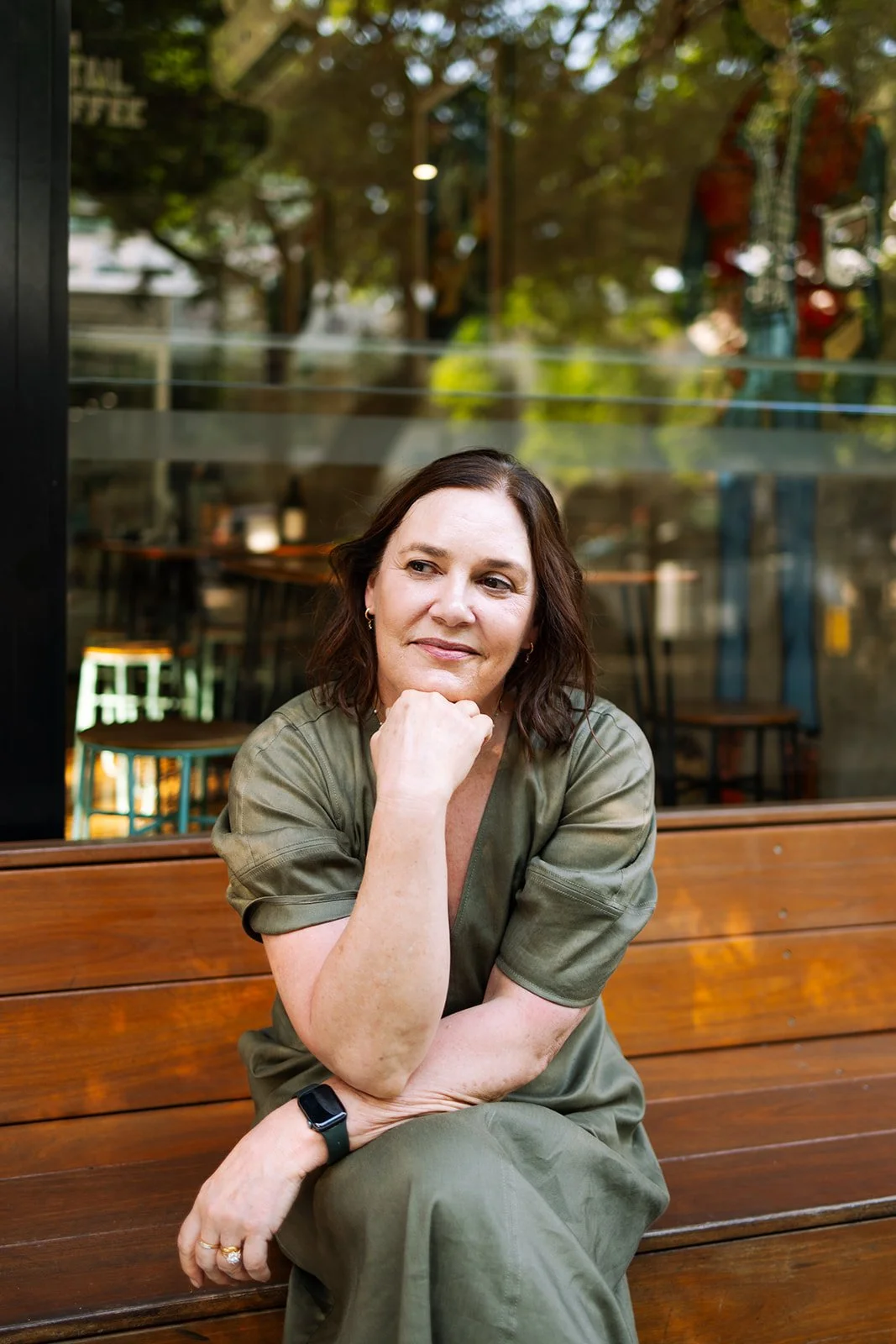

Aphasia CONNECT Opening Hours
Monday to Friday: 8am to 5.30pm
Email: info@aphasiaconnect.com.au
Mobile: 0411 864 386
Aphasia Speech Therapy for Adults - Servicing Areas & Contact Details
We service the Greater Brisbane, Ipswich and Logan Regions. We also provide mobile services for those in rural, regional and remote areas (up to 100km from the central office in Chapel Hill). Aphasia Connect also provides quality care and therapy sessions to all serviced areas via telehealth. Learn more here.

Connect With Us
If you are searching for aphasia speech therapy for adults near me (in Brisbane, Ipswich, Logan or surrounds), you are welcome to reach out, ask questions, and get to know us better.
Complete a New Client Form
Complete the form below and we will be in touch. We will then organise your initial appointment within 1 week of your referral.
Frequently Asked Questions
-
No, a referral is not required to see a speech pathologist. Aphasia Connect Adult Speech Pathology can be accessed via self-referral, referrals from a family member, or from an external agency such as a support coordinator, medical practitioner or allied health professional.
However, a referral may be needed for funding purposes:
Medicare (Chronic Disease Management Plan): a referral from a GP is required.
NDIS: no referral is needed, but the plan must include funding for speech pathology.
Private Health Insurance or Private Paying: no referral is needed.
If unsure, please contact the clinic for assistance.
-
We are a dedicated aphasia therapy service and community space for people living with aphasia after stroke. We support people with aphasia and their family or carers at all stages of their journey.
Home-based aphasia therapy:
Individual therapy sessions delivered in your home.
Community-based aphasia therapy:
Individual therapy sessions delivered in a community setting.
Small group therapy (for existing clients)
Telehealth aphasia therapy:
Online therapy sessions that can be accessed from home.
Community-based groups and activities:
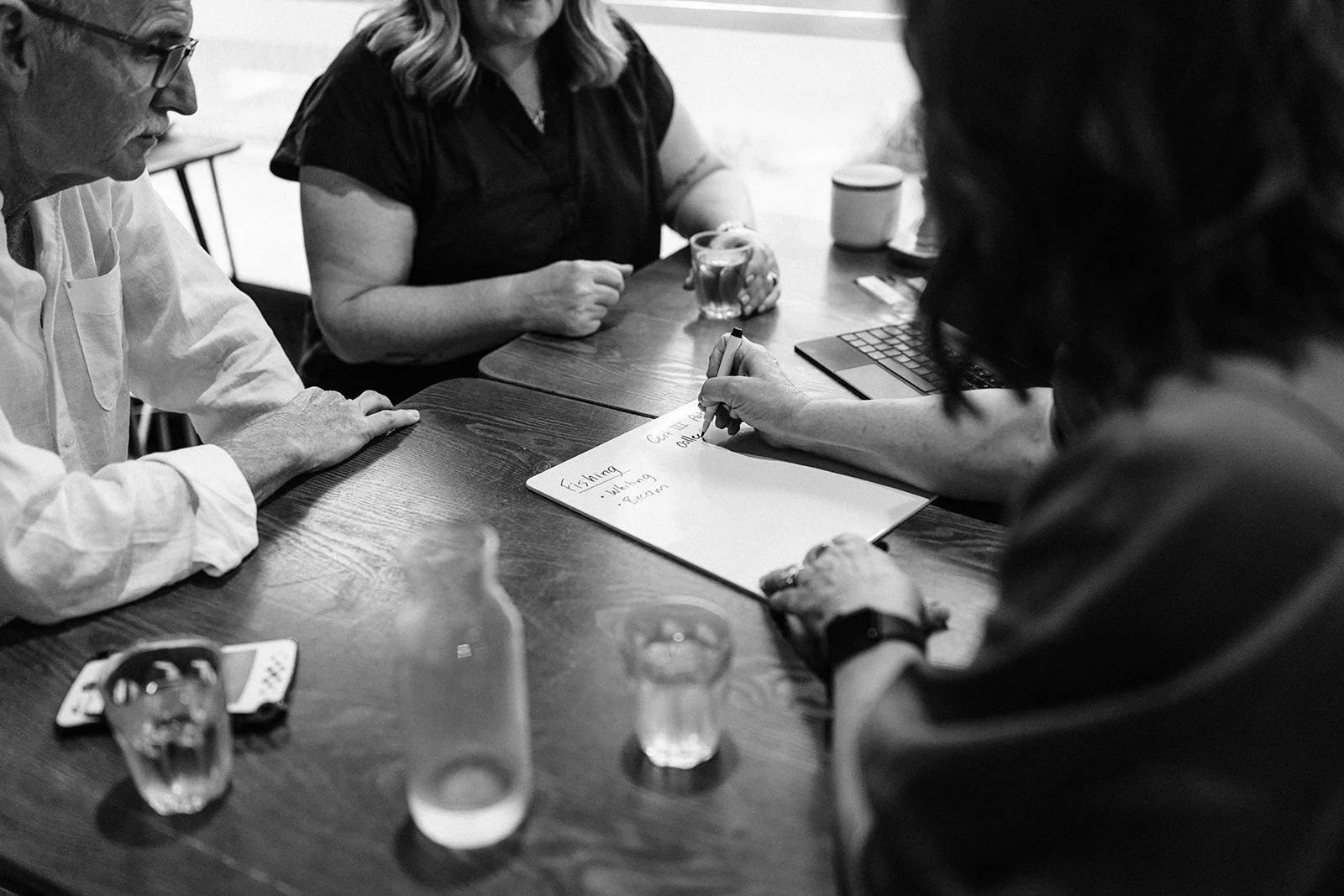
Aphasia Coffee Group
Aphasia Bookclub
Other community-based social and therapeutic activities
Find your way forward
-
We provide mobile aphasia therapy across Brisbane, Ipswich and Logan (up to 100km from the central office in Chapel Hill, Brisbane).
Aphasia Connect also provides telehealth sessions for clients anywhere in Australia. You will need access to a camera on your phone or computer for these sessions. No special software is required. We will send you a link to access a video call during your appointment time. You may choose to have a family member or support person present.
-
Aphasia Connect recognises that communication is more than words – it is about building and maintaining relationships, expressing identity, and fostering wellbeing and purpose.
Alongside individual aphasia therapy, people with aphasia can take part in group therapy, social activities, and community-based programs. These settings provide opportunities to practise communication skills in meaningful, real-world contexts, while also offering social connection with others who share a similar experience.
By combining personalised therapy with group programs and community engagement, people with aphasia are supported in strengthening their communication, building meaningful connections, and actively participating in community life and everyday activities.
-
At Aphasia Connect, assessment is more than just testing—it helps us understand your communication strengths, challenges, and goals. We use real-life tasks, conversations, and meaningful activities to see how you communicate in everyday situations. You are an active part of the process, working with us to identify what matters most to you.
Assessment also guides therapy, builds confidence, and supports you in reaching your communication goals.
-
At Aphasia Connect, therapy is personalised to each person’s strengths, goals, and daily life. It builds on individual strengths and focuses on meaningful communication and language outcomes. Therapy strengthens communication skills to support participation in everyday activities, relationships, work, leisure, and social connections. It addresses all language areas, including spoken expression (words and sentences), understanding, reading, writing, discourse, and the use of augmentative and alternative communication (AAC).
Family members, friends, and carers are valued partners in the therapy process, supporting the person with aphasia, sharing in goal setting, and helping bring communication strategies to life in everyday moments.
We provide clear, personalised information in accessible and supportive formats, along with tailored therapy resources to support home practice and reinforce skills outside the clinic.
Our approach promotes long-term success by fostering independent practice and creating meaningful opportunities to communicate in daily life.
-
Yes. NDIS can fund group therapy if it is led by a qualified speech pathologist and helps achieve your communication goals. It must be therapeutic, structured, and evidence-based. Funding usually comes from existing therapy supports in your plan. Purely social groups are not funded. If you are unsure, please contact us to discuss your options.